
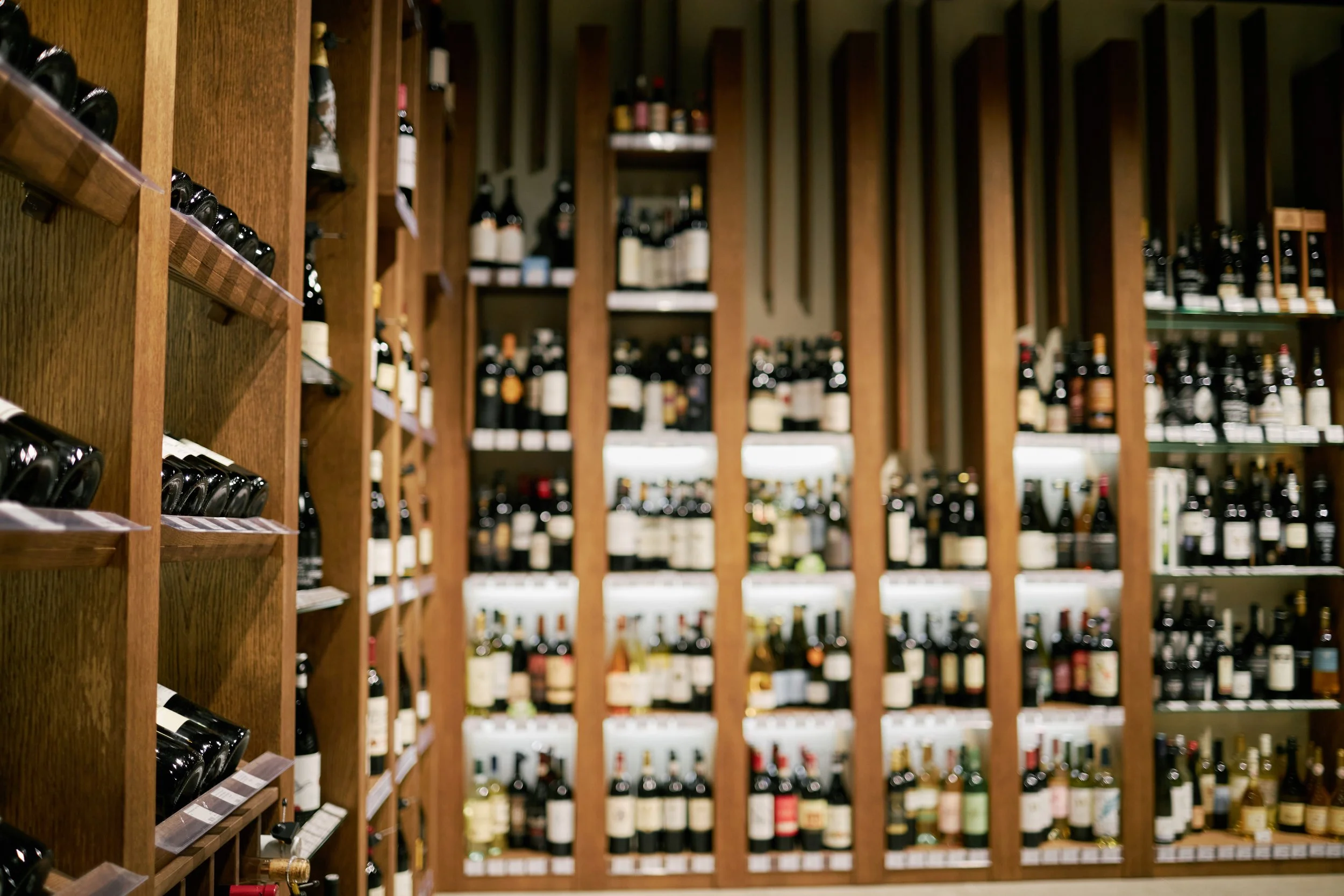
There’s this idea floating around that the more expensive a bottle of wine is, the better it must be.
That’s just not true.
There is incredible wine at almost every price point. The trick isn’t spending more. It’s knowing how to choose.
Here’s how I actually shop for wine — and how you can too.
Step 1: Know What You Like (Not What Sounds Fancy)
Before you even look at a price tag, you need three things:
The varietal you enjoy (Cabernet? Pinot Noir? Sauvignon Blanc?)
The region you gravitate toward
The style you prefer (oaky, fruity, dry, light, bold)
This narrows the store down fast.
You don’t need to know obscure labels or impress anyone with pronunciation. You just need to know what you like to drink.
That’s it.
Step 2: Pick a Price Range and Stay There
I mentally bucket wine into four ranges:
Under $20
$20–$50
$50–$100
$100+
There is good wine in every single one of these.
Don’t feel pressure to move up unless you want to. A $17 Burgundy can absolutely outperform a $60 bottle depending on what you’re looking for.
Price does not automatically equal better.
Step 3: Use the Tools in the Store
If you’re shopping in person, you have resources.
Staff picks
Shelf talkers
Ratings (with a grain of salt)
I don’t live and die by ratings, but if I’m between two bottles at the same price point, I might use that as a tiebreaker.
Most importantly: don’t be afraid to ask for help. Wine people love talking about wine.
Step 4: Understand a Few Simple Labels
You don’t need a sommelier certification.
But a few things help:
“Trocken” on a German Riesling? It means dry.
“Reserva” outside France or Italy? Usually, higher quality fruit or more aging.
Champagne can only come from Champagne. Cava is made similarly, often for a fraction of the price.
Small bits of knowledge go a long way.
Step 5: Remember the Occasion
The wine is not always the star.
If you’re hosting Thanksgiving, keep the wines light and food-friendly. If you’re pairing with chili, lean into fruit, spice, or a touch of sweetness.
Context matters more than status.
The Bottom Line
You don’t need to memorize vineyards.
You don’t need to chase labels.
You don’t need to spend $75 to feel confident.
Know your style. Pick your price. Use your tools.
Wine should feel enjoyable, not intimidating.
And the best bottle is the one you actually want to drink.
Cheers.
Here's a shortcut: let someone guide you. The fastest way to learn what you like is tasting side by side with a little context. That's exactly what our private Mexican wine tasting does. Five wines, five regions, zero pressure to know anything going in.