
Wine Pairing Without Rules: How to Trust Your Own Palate
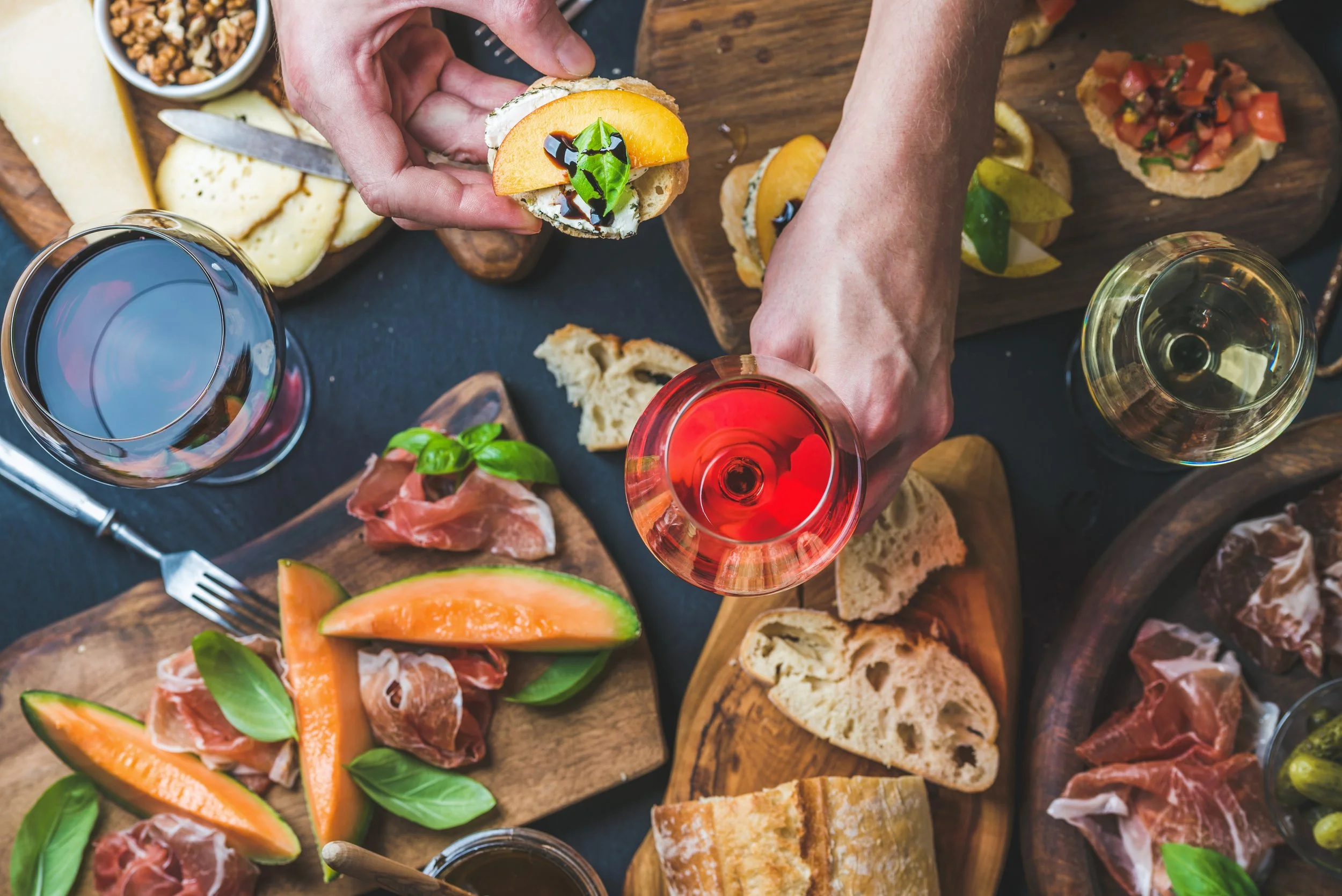
If you have ever wondered how to pair wine with food without memorizing complicated rules, you are not alone.
Most people start with a simple goal. Pick a bottle that goes well with dinner. If choosing a bottle still feels overwhelming, this guide on how to choose a good bottle of wine without overthinking it can help simplify the process.
But somewhere along the way, wine pairing starts to feel like something you can get wrong.
Red wine with meat. White wine with fish. Certain wines only with certain dishes.
It can quickly turn something enjoyable into something stressful.
Here is the truth.
You do not need strict wine pairing rules to enjoy wine with food.
Once you understand a few simple ideas, you can trust your own palate and choose what actually tastes good to you.
Why Traditional Wine Pairing Rules Exist
Wine pairing guidelines were created to make things easier, not harder.
Most common wine pairing advice is based on a few core principles:
Light foods tend to pair well with lighter wines
Rich foods often work with fuller-bodied wines
Acidic wines balance fatty dishes
Slightly sweet wines can offset spicy food
These are helpful starting points. But they are not strict rules.
The problem is that many people treat them like they are fixed answers instead of flexible suggestions.
If you are still getting familiar with how wines differ in style, even something as simple as bottle shape can give you useful clues.
Why There Is No Perfect Wine Pairing
A common question is, “What is the best wine pairing for this dish?”
The honest answer is that there is rarely just one correct choice.
Taste is personal. Two people can try the same wine with the same meal and have completely different reactions.
That is because pairing depends on more than just the main ingredient. It also depends on:
Sauces and seasoning
Cooking method
Temperature of the dish
Your personal taste preferences
Because of this, searching for the perfect pairing often leads to overthinking.
And when you overthink it, you stop paying attention to what you actually enjoy.
A Simple Way to Pair Wine Without Overthinking
Instead of memorizing rules, focus on a few easy guidelines when choosing wine with food:
If the dish feels light, choose a wine that feels fresh and crisp
If the dish feels rich, choose a wine with more body
If the dish is spicy, look for wines with a touch of fruit or softness
If the dish is acidic, like tomato-based or citrus, choose a wine with good acidity
These are not rules you have to follow. They are just helpful directions.
From there, your own preference matters most.
And if you are trying to apply this in a real store setting, knowing how to pick a nice bottle of wine without overspending makes it much easier to experiment.
How to Train Your Palate Naturally
The best way to get better at wine pairing is not by studying charts. It is by paying attention.
The next time you have a meal with wine, notice a few simple things:
Does the wine taste brighter or flatter with the food
Does the combination make you want another sip or another bite
Does anything feel out of balance
You are not trying to analyze like an expert. You are just noticing what you like.
Over time, this builds real confidence in choosing wine.
The Best Wine Pairing Is the One You Enjoy
Instead of asking, “What wine should I pair with this?” try asking a different question.
“Do I like this combination?”
That shift changes everything.
You might enjoy a white wine with a dish that is traditionally paired with red. You might prefer a lighter wine with a rich meal.
That is not wrong. That is your palate.
Sometimes that discovery comes from unexpected bottles, like this $4.99 find that changed how many people think about wine.
And the more you trust it, the easier wine becomes.
Final Thought: Keep Wine Simple
If you feel unsure when choosing a wine, start with this.
Pick a bottle that you are excited to drink.
Not the one that feels like the correct answer.
Because even the most recommended pairing will not matter if you do not actually enjoy the wine.
Wine pairing does not have to be complicated.
The more you trust your taste, the better your choices become.